Author: admin

  • Signs of Thyroid Dysfunction

    Signs of Thyroid Dysfunction

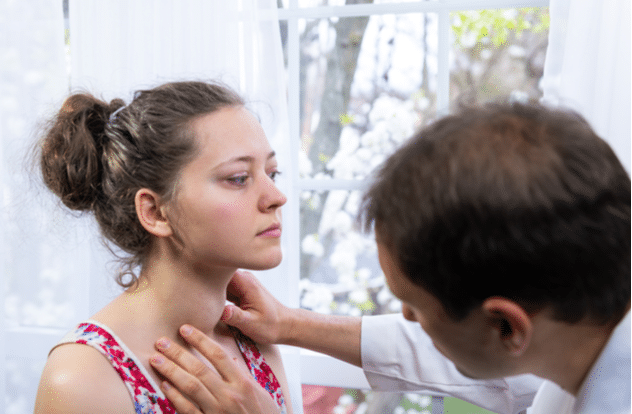
    Doctor inspecting young woman with enlarged thyroid gland goiterThe thyroid supports a variety of physiological functions. This gland makes hormones that process carbs, fats, and proteins, that stabilize heart rate and help maintain normal blood pressure and body temperature. If dysfunction occurs in the thyroid, a chain reaction of physical symptoms results. Though it is believed that approximately 20 million Americans have thyroid disease, the signs are so easy to miss that many of them go undiagnosed.

    It is important that thyroid disease receive proper care. But first, you must know the signs. We’ll discuss them here.

    Thyroid disease typically involves either the over functioning of the thyroid gland, hyperthyroidism, or the under functioning of the gland, hypothyroidism.

    Hyperthyroidism

    The overproduction of thyroid hormones can result in symptoms including:

    • Fatigue
    • Rapid heart rate
    • Nervousness
    • Anxiety
    • Irritability
    • Sleep problems
    • Heat sensitivity
    • Irregular, lighter menstrual periods
    • Loose stools
    • Weight loss
    • Hand tremors
    • Brittle skin

    There is no cure for hyperthyroidism. However, an endocrinologist can develop a treatment plan based on accurate, up-to-date laboratory tests. In many cases, medication can effectively regulate the production of thyroid hormones. For more severe symptoms, a doctor may recommend radioactive iodine treatment to reduce inflammation and the production of thyroxine.

    Hypothyroidism

    The underproduction of thyroid hormones could result in symptoms such as:

    • Puffy face
    • Slow metabolism
    • Weight gain
    • Reduced heart rate
    • Depression
    • Stiff, painful joints and muscles
    • Thinning hair
    • Low body temperature
    • Irregular, heavier menstrual periods
    • Constipation

    People with hypothyroidism may rely on the use of levothyroxine, a synthetic thyroid substance, to maintain hormone regulation.

    Hyper- and hypothyroidism can be managed. To learn more about the treatment options offered by NYC endocrinologist Dr. Philip Rabito, contact us at (877) 703-3775.

    The post Signs of Thyroid Dysfunction appeared first on Philip Rabito, MD.

  • What Are the Common Causes of Low Testosterone?

    Testosterone is the primary male sex hormone. It is an important factor in libido and erection but also plays a role in bone, muscle, and heart health, along with fat distribution. Low testosterone, which typically falls between the range of 300 to 1,000 nanograms per deciliter (ng/dL), has multiple causes and can negatively impact your health.

    Common Causes of Low Testosterone

    Obesity

    Being overweight can negatively impact your health in many ways, including lowering testosterone. Along with straining your heart and joints, obesity contributes to testosterone deficiencies that influence your energy levels.

    HIV/AIDS

    HIV patients can live relatively normal lives when receiving proper treatment. However, if you are not receiving treatment, the infection can turn into a disease that affects the hypothalamic-pituitary-gonadal axis, leading to drops in testosterone. HIV/AIDS can potentially lead to a condition known as hypogonadism, in which your testicles function below normal levels.

    Medications

    Opioids and steroids are especially known for impacting testosterone production because they impact the hypothalamus, pituitary gland, and gonadal (testicles). They are the first of several conditions or factors to affect this trio on this list. You may want to consider alternatives to these medications or supplements if they are necessary for your health and performance.

    Chemotherapy or Radiation Therapy

    It is common for testosterone levels to drop if you are undergoing chemotherapy or radiation therapy to treat cancer because of how this treatment interacts with the pituitary gland. Of course, foregoing such treatments is not typically an option, but you can speak to your doctor to learn how to buffer against unwanted side effects such as a loss of testosterone.

    Injuries to the Testicles

    Because your testicles are critical to testosterone production, any physical injury or infection to them could result in a decrease in the hormone. Some injuries may naturally heal, allowing testosterone production to return to normal. However, it is important to seek medical guidance to ensure injuries leave as minimal lasting impact as possible.

    Alcohol or Drug Abuse

    Mind-altering substances can also impact the hypothalamic-pituitary-gonadal axis. Heavy drinking is especially likely to lead to a drop in testosterone, but even consistent light to moderate drinking may have an effect.

    Explore Testosterone Treatment

    If you are experiencing low testosterone levels, there are treatment options available to help. Dr. Philip Rabito has answers to your questions about low testosterone and can help you get the treatment you need to bring your levels up and within range. Call 877-703-3775 to schedule an appointment at our New York, NY, office to get started.

    The post What Are the Common Causes of Low Testosterone? appeared first on Philip Rabito, MD.

  • Take Control of Your Cholesterol: Discover the Benefits of a Lipidologist in NYC

    Heart attack and stroke are two leading causes of death worldwide, and high cholesterol is a significant risk factor for both. With approximately one in three Americans suffering from a cholesterol disorder, staying informed about your cholesterol levels and taking control of your heart health is more important than ever. 

    Unfortunately, many patients are unaware of their cholesterol disorders. The ones that do may also need to learn how to manage these disorders effectively. Enter the lipidologist – a physician with advanced training in cholesterol disorder management and cardiovascular risk assessment. Learn more in this blog.

    Why Consult a Lipidologist?

    A lipidologist is a physician who specializes in cholesterol disorders and cardiovascular risk assessment. They have advanced training and expertise in managing lipid disorders, such as high cholesterol, to help patients minimize the risk of heart attack and stroke. A lipidologist can provide specialized testing, like advanced lipid profiling, to assess your risk and tailor a personalized treatment plan.

    Advanced Cholesterol Testing and Treatment Options

    Unlike traditional cholesterol testing, an advanced lipid profile performed by a lipidologist provides a more comprehensive analysis of your cholesterol levels. This testing can identify specific risk factors and give a clearer picture of your cardiovascular health.

    Lipidologists are also knowledgeable about pharmacological treatments for high cholesterol and advanced testing. They can explain these medications’ benefits, risks, and side effects, helping you make informed decisions about your treatment.

    Meet Dr. Rabito: Our Cholesterol Specialist in NYC

    Dr. Rabito is a board-certified lipidologist with additional certifications in endocrinology and nutrition. He combines these three areas of expertise to offer a comprehensive approach to managing lipid disorders. Dr. Rabito employs nutritional counseling, hormonal rebalancing, and pharmacologic treatments to help patients achieve optimal cholesterol levels and cardiovascular health.

    Book an Appointment with Our Cholesterol Specialist in NYC

    Don’t let high cholesterol put your health at risk. Our NYC cholesterol specialist, Dr. Rabito, can help you manage your cholesterol levels if you are predisposed to high cholesterol. He can provide you with the expertise and personalized care necessary to manage your cholesterol effectively and protect your heart health.

    Get in touch with our office at 646-835-0402 if you would like more information. Take the first step towards better cardiovascular health and a healthier future.

    The post Take Control of Your Cholesterol: Discover the Benefits of a Lipidologist in NYC appeared first on Philip Rabito, MD.

  • The Best PCOS Diet for Me

    The Best PCOS Diet for Me

    PCOS DietLiving with polycystic ovarian disease (PCOS) is not easy. This endocrine disorder can make it difficult to lose weight, cause inflammation, produce excessive body and facial hair growth, and lend a hand to fertility complications. If you’ve lived with PCOS for years, you may be skeptical about whether your condition can improve. Philip Rabito, MD is a reputable endocrinologist who can assure you that your condition can improve naturally if you adjust your diet.

    How Does Diet Affect Polycystic Ovarian Disease?

    The foods we consume consist of components that stimulate various hormones within us. Thus, your diet can trigger good and bad reactors inside you, depending on your health and hormonal disorders. PCOS causes hormonal imbalances to make you susceptible to hair growth on your chin and stomach, obesity, and heart disease. Consuming certain foods can reduce the overproduction and oversecretion of hormones your ovarian cysts target, reversing their influence.

    Which Foods Should I Eat if I Have PCOS?

    Whole Grains

    Whole grains, such as oatmeal and brown rice, can balance your adrenal gland, thereby reducing hair growth on your stomach and chin.

    Fatty Fish

    Fish that are high in Omega-3 fats, such as salmon and sardines, are good to consume. Fatty fish decrease your risk of developing heart disease.

    Which Foods Should I Avoid if I Have PCOS?

    Sodium

    You should avoid consuming too many foods high in sodium because sodium increases your risk of hypertension and heart disease.

    Trans Fat

    Minimize your intake of processed foods or avoid them altogether. Processed foods are high in trans fat. Trans fats make it harder for you to lose weight and regulate your hormones. Additionally, consuming too many trans fats puts you at risk of heart disease.

    See a Professional Endocrinologist Near Me

    Philip Rabito, MD, is a skilled endocrine specialist serving the Upper East Side of Manhattan. Dr. Rabito has been in practice for decades and has earned the reputation of being an asset to the field of endocrine medicine. He has treated countless women, like you who have polycystic ovarian disease and has helped them manage their hormonal imbalances with strategic diet plans. If you would like to benefit from his expert opinion, contact Philip Rabito, MD, at 877-703-3775 to schedule an appointment.

    The post The Best PCOS Diet for Me appeared first on Philip Rabito, MD.

  • Signs That You May Have a Thyroid Disorder

    Signs That You May Have a Thyroid Disorder

    thyroid disorderThyroid disorders are very common and can threaten your health and well-being. It is essential to understand the symptoms that thyroid disorders are associated with so that you can know whether or not you should be concerned. Luckily, there are treatment methods for thyroid disorders, but in this blog, we will focus on the signs and symptoms that you may be suffering from a thyroid disorder.

    Symptoms of a Thyroid Disorder 

    If you begin to experience any of these symptoms frequently, it is a good idea to visit a physician to make sure that it is nothing serious, as these symptoms aren’t just symptoms of a thyroid disorder.

    • Nervousness, anxiety, or irritability
    • Hyperactivity
    • Weakness in your muscles
    • Frequent urination
    • A thirst that can’t be quenched
    • Trouble sleeping
    • Low sex drive
    • Mood swings

    Signs of a Thyroid Disorder

    There are many signs of a thyroid disorder that can be a cause for concern. Many of these signs aren’t normal occurrences that you would run into without a health issue, so it is best to contact a physician if you begin to experience any of these symptoms regularly.

    • Excessive sweating
    • Loose nails
    • Patchy hair loss or thinning hair
    • Dryness or redness in the eyes, or vision problems
    • Swelling in your neck that is caused by an enlarged thyroid gland
    • Rapid heartbeat or a heartbeat that is unusually fast for the situation that you are in

    Thyroid Treatment Can Help You 

    If you are experiencing any of these signs and symptoms frequently, you may be struggling with a thyroid disorder. Fortunately, there are some treatment options for you. If you are interested in getting your thyroid disorder treated, Dr. Philip Rabito in New York, New York is prepared to help you battle and overcome your thyroid disorder so that you can stay happy and healthy throughout your life. He is board-certified with the American Board of Internal Medicine and the American Board of Nutrition Support Physicians. He can make sure that you are given world-class treatment and care. Contact us today at 877.703.3775 or visit us online at philiprabitomd.com to schedule your consultation.

    The post Signs That You May Have a Thyroid Disorder appeared first on Philip Rabito, MD.

  • Is There a Connection Between Diabetes and Weight Loss?

    Diabetes is a widespread metabolic disorder that affects millions of people worldwide. It occurs when the body either fails to produce enough insulin or can’t utilize it effectively, leading to high blood sugar levels. On the other hand, weight loss is a prevalent health goal for many individuals seeking to improve their overall well-being and manage chronic conditions like diabetes.

    Understanding the Link

    Diabetes and weight loss are undoubtedly linked, and studies have shown that losing weight can have a positive impact on managing the disease. For individuals with type 2 diabetes, in particular, weight loss is often recommended as part of the treatment plan. As excess body weight can contribute to insulin resistance, shedding those extra pounds may improve insulin sensitivity and glucose control.

    Weight Loss Strategies for Diabetics

    Embarking on a weight loss journey when dealing with diabetes requires careful planning and consideration. Crash diets or extreme fasting can be detrimental to blood sugar levels, so a balanced approach is essential. If you have type two diabetes, be sure to talk with a healthcare professional about the best course of action to lose weight.

    Benefits of Weight Loss on Diabetes

    Aside from enhanced insulin sensitivity, weight loss can offer several other benefits to those managing diabetes. Lowering body weight can reduce the risk of developing complications associated with the disease, such as cardiovascular issues and nerve damage. Moreover, achieving a healthy weight often leads to improved energy levels and a better quality of life.

    The Role of Diet and Exercise

    When it comes to weight loss and diabetes management, diet and exercise are the dynamic duo. A well-balanced, nutrient-rich diet that takes into account blood sugar levels is crucial for diabetics looking to shed pounds.

    Seek a Healthcare Professional

    The connection between diabetes and weight loss is evident, and research suggests that shedding excess pounds can significantly improve diabetes management. Make sure to seek a licensed medical professional if you’re diabetic and want to discuss weight loss. Make sure to contact Philip Rabito, MD. Call 877-703-3775 to book your appointment.

    The post Is There a Connection Between Diabetes and Weight Loss? appeared first on Philip Rabito, MD.

  • The Importance of Good Nutrition

    A lot of people fail to realize that what we eat makes a significant difference in how our organs function and how we feel. In addition, good nutrition can help us maintain a healthier weight. With a better understanding of what good nutrition is, you can understand why implementing it into our lives is so important.

    What Nutrition Can Help

    There are several types of health conditions and problems that good nutrition can help. Some of the positive health benefits include:

    • Increased energy level
    • Boost your immunity so you can recover from injuries or illnesses quicker
    • Improve your overall well-being
    • Lower high cholesterol
    • Reduce high blood pressure
    • Reduce the risk of heart disease
    • Reduce the risk of strokes
    • Reduce the risk of diabetes

    In addition, many patients also benefit from having a decreased risk of developing various forms of cancer.

    What Exactly Is Good Nutrition?

    Following a diet that is nutritious in nature includes incorporating healthy foods that provide you with an abundance of vitamins, minerals, and nutrients. All of these work together to ensure your body works its best.

    Achieving Good Nutrition

    There are several changes that you can make in your diet to ensure you get all of the nutrition you need. These include:

    • Ensure you eat plenty of vegetables in a variety of colors.
    • Eat plenty of fiber-rich whole fruits.
    • Eat crackers, bread, and cereals that are made from whole grains.
    • Select lean cuts of meat that have less fat and fewer calories.
    • Incorporate meat and poultry alternatives into your diet, like fish, tofu, and beans.

    Making these changes can help to ensure that the food you put into your body is beneficial and does not make any health conditions worse. Making these changes can help to give you the health boost you need to live a happier and healthier life.

    Schedule an Appointment Today

    Seeking counseling is never a sign of weakness. Instead, it shows great strength and your commitment to taking back control of your life and focusing on your health. If you are interested in learning how you can develop healthier eating habits by focusing on nutrition, contact Philip Rabito, MD, today at 877-703-3775 or schedule an appointment online to get started.

    The post The Importance of Good Nutrition appeared first on Philip Rabito, MD.

  • Optimizing Male Aging In NYC: Addressing Low Testosterone Levels in Men

    As men live longer, maintaining a healthy and active lifestyle becomes more challenging. One such challenge is the decline of testosterone levels as they age. A vital hormone for men, testosterone plays a role in several important bodily functions. This post explores low testosterone and how to treat it.

    What is Low Testosterone, and Why Do My Levels Matter?

    Testosterone is the hormone responsible for developing sexual characteristics in adult males. Thus, it regulates everything from facial and testicular hair to bone density and muscle mass. This hormone is produced by the testicles and regulated by the brain and pituitary gland. For adults, a healthy testosterone level should be between 300-1000 ng/dL. Unfortunately, low testosterone levels can affect men’s health in significant ways with:

    • Decreased bone density 
    • Reduced muscle mass
    • Low red blood cell production
    • Reproductive problems 

    These are all consequences of inadequate testosterone levels. Age plays a role here – studies show an average drop of 1% in testosterone levels each year after age 30.

    What are the Signs of Low Testosterone?

    Low testosterone can have several symptoms, including decreased muscle mass, enlarged breasts, decreased focus and memory recall, mood changes, sleep disturbances, and Type 2 diabetes. However, many people associate low testosterone with sexual symptoms such as erectile dysfunction or decreased libido.

    How is Low Testosterone Diagnosed?

    Diagnosing low testosterone requires specialized testing and a thorough medical history review by an endocrinologist. The highest testosterone levels usually occur in the morning, fluctuating throughout the day. As a result, it is necessary to test more than once and during a specific time window to accurately measure testosterone levels.

    Are There Alternative Treatments for Low Testosterone Besides Testosterone Therapy?

    Yes. Testosterone replacement therapy is not always the first course of action for low testosterone treatment. Dr. Philip Rabito, a Mount Sinai-trained endocrinologist, takes a comprehensive approach to diagnose the underlying causes of low testosterone. Addressing contributing factors such as sleep apnea, thyroid disease, obesity, eating disorders, and using testosterone-lowering medications can improve natural testosterone production.

    Schedule Your Consultation Today

    Low testosterone is a common problem that deserves proper diagnosis and treatment. To learn more about Dr. Rabito’s approach to treating low testosterone and optimizing aging, contact his office on the Upper East Side of Manhattan at 646-835-0402.

    The post Optimizing Male Aging In NYC: Addressing Low Testosterone Levels in Men appeared first on Philip Rabito, MD.

  • Are Medical Weight Loss Options Safe?

    Losing excess weight has many benefits, including increased vitality and overall health. Medical weight loss programs typically include a combination of nutrition and exercise plans, as well as medical weight loss pills or injections. However, many patients often ask about the efficacy and safety of weight loss medication. Here is what you need to know.

    How Safe Are Medical Weight Loss Options?

    Currently, there is a class of medication that helps control blood sugar in type 2 diabetes patients yet also assists in weight loss. These medications are known as glucagon-like peptide-1 (GLP-1) receptor agonists.

    According to the American Pharmacists Association, clinical studies of GLP-1 drugs have established their safety and effectiveness in lowering glucose levels in patients and have also shown many advantages, including weight loss and enhanced cardiovascular health.

    Benefits of Medical Weight Loss

    There is some evidence to suggest that GLP-1s may help suppress appetite. These medications also reduce the rate at which food travels from the stomach to the intestines, helping you feel full sooner and for longer, ultimately reducing cravings. GLP-1 may also be useful in reducing liver fat.

    The amount of weight you lose while taking GLP-1 varies from person to person. Some sources report that taking liraglutide (a type of injectable GLP-1 drug) can result in weight reduction of between 10.5 and 15.8 pounds.

    To discover specific brands of GLP-1 Medication, talk to a weight loss doctor today.

    Is Medical Weight Loss Right for You?

    Standard weight loss programs are usually designed to meet the typical demand of a mass audience, regardless of individual weight goals and genetic makeup. For this reason, you may find that traditional meal plans and workout schedules do not always give you the outcomes you desire.

    If regular diet and exercise are not bringing you the weight loss results you want, a visit to a medical weight loss doctor may be worth considering. Depending on your unique needs, GLP-1 weight loss medication may be an option.

    Get Access to Safe Medical Weight Loss Programs in New York, NY

    Dr. Philip Rabito is a medical weight loss doctor in New York, NY, with over two decades of experience in helping people discover the best and healthiest versions of themselves. Rather than taking a one-size-fits-all approach, Dr. Rabito adopts a more personalized philosophy when it comes to treating his patients.

    Whether you are seeking short-term or long-term results, Dr. Rabito can help you get there with customized medical weight management planning. Contact (877) 703-3775 today to schedule an appointment.

    The post Are Medical Weight Loss Options Safe? appeared first on Philip Rabito, MD.

  • 3 Best Anti-Inflammatory Drinks

    When it comes to the holiday season, it can be easy to be surrounded by foods and drinks that taste delicious but might promote unwelcome symptoms in our bodies, such as inflammation. Inflammation in the body can lead to arthritis, diabetes, and obesity, but thanks to tasty substitutes that are more gut-friendly, it’s never been easier to reduce inflammation and achieve nutritional wellness through a simple change in your diet.

    Between fruit juice and organic tea, there are a million different drink choices that can substitute egg nog or hot chocolate this holiday season. Here are our top three recommendations for anti-inflammatory drinks this winter!

    Green and White Teas

    Perfect for warming you up when it’s cold out, both green and white teas have anti-inflammatory effects on the body. Rich in polyphenols and catechins, these teas come with properties that not only reduce inflammation but can also regulate your immune system, which can be helpful in protecting the body against the cold during the winter.

    Turmeric Milk

    Turmeric milk, also known as “golden milk,” has been known to reduce inflammation in the body. Loaded with antioxidants, turmeric milk can help improve joint pain, arthritis, and even brain function. Mixing milk and turmeric with a little bit of ginger can make a perfectly rich smoothie that calms the stomach and soothes the nervous system.

    Tart Cherry Juice

    Rich in anthocyanins that can calm inflamed tissues, tart cherry juice is the go-to fruit juice that people love to drink after a workout or just before sleeping. As its antioxidants can help improve recovery time after a workout, it can also reduce muscle soreness and inflammation. It also helps many people recover better and faster from their physical activities during the day to promote better sleep.

    Find Your Nutrition Doctor in NYC

    Reducing inflammation in the body by switching to a more gut-conscious diet can do wonders for your health. If you’re interested in meeting with a nutrition doctor who can recommend the best foods and drinks based on your health, don’t hesitate to schedule your first consultation with Dr. Philip Rabito by clicking here or calling 877.703.3775 to reach our office in New York.

    The post 3 Best Anti-Inflammatory Drinks appeared first on Philip Rabito, MD.